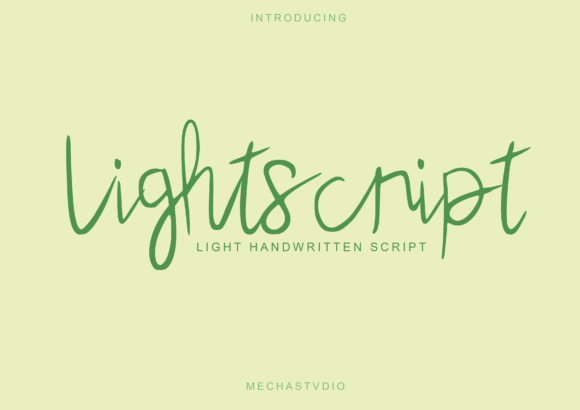
Lightscript Font: Elevate Your Brand Identity
As a small business owner, you know that every detail counts. From the texture of your packaging to the tone of your emails, consistency is what builds trust. But perhaps nothing influences first impressions quite like your typography. Choosing the right typeface can be the difference between looking like a hobbyist and establishing yourself as a professional brand. This is where Lightscript comes in. It is not just another digital asset; it is a tool designed to add a natural spark to your visual identity.
Lightscript is a simple handwritten font with a unique feel and stunning impact. Unlike rigid, mechanical typefaces, it carries the warmth of human touch. For entrepreneurs, boutique owners, and creative founders, this distinction matters. Customers crave authenticity, and a script font that mimics natural handwriting helps bridge the gap between your business and their hearts. Whether you are launching a new product line or refreshing your social media presence, Lightscript offers the versatility needed to stand out in a crowded market.
Why Authenticity Matters in Modern Branding
In today’s digital-first world, consumers are bombarded with polished, corporate aesthetics. While professionalism is essential, sterility can be a barrier to connection. A premium font like Lightscript introduces personality without sacrificing clarity. It serves as a visual handshake, inviting customers into your story.
When you use a creative font that feels organic, you signal that there are real people behind the logo. This is particularly effective for handmade sellers, café owners, and service providers who rely on personal relationships. The mood of Lightscript is approachable yet refined. It does not shout for attention; instead, it whispers elegance. This subtle confidence helps your brand identity feel established and trustworthy, even if you are a startup.
Practical Applications for Your Business Materials
The true value of any display font lies in its usability across various touchpoints. Lightscript is designed to be versatile, making it an excellent choice for a wide range of marketing and operational materials. Here is how you can integrate it into your daily workflow:
- Logo Design: If your brand name is short, Lightscript can serve as the primary element of your logo. Its fluid strokes create a memorable mark that looks great on website headers and business cards.
- Packaging Design: For physical products, such as handmade candles, artisanal soaps, or baked goods, Lightscript adds a boutique feel to labels. It transforms a standard sticker into a premium experience.
- Social Media Graphics: Instagram posts and Pinterest pins require quick readability and high visual appeal. Using Lightscript for quotes, headlines, or promotional announcements can increase engagement by stopping the scroll.
- Website Banners: Use it sparingly on your homepage to highlight special offers or welcome messages. It breaks up the monotony of standard web text and draws the eye to key information.
- Customer-Facing Documents: Thank-you cards, invoices, and appointment reminders feel more personal when accented with a handwritten style. It shows you care about the details.
Real-World Examples of Lightscript in Action
To visualize the potential, consider a local bakery. Using a stiff, industrial font might make their croissants feel mass-produced. However, pairing Lightscript with high-quality photography of fresh pastries creates a narrative of craftsmanship and care. The font suggests that each item is made by hand, justifying a higher price point and fostering customer loyalty.
Similarly, imagine a life coach or consultant. Their website needs to convey empathy and approachability. A heavy, bold sans serif font might feel too aggressive, while a traditional serif font could appear outdated. Lightscript strikes a balance, offering modern typography that feels current and friendly. It works beautifully for section headers on landing pages or as accent text in digital ads.
For online sellers on platforms like Etsy or Shopify, product tags and digital download covers benefit immensely from this style. It helps differentiate your listings from competitors who use default system fonts. By maintaining a consistent visual language across your shop banner, product images, and policy pages, you create a cohesive shopping experience that encourages repeat business.
Readability and Best Practices
While the aesthetic appeal of a handwritten font is undeniable, functionality must come first. Lightscript is designed with simplicity in mind, ensuring that it remains legible even at smaller sizes. However, best practices dictate that you use it strategically. It is ideal for headlines, short phrases, and accents, but it should not replace body text for long paragraphs.
When designing for mobile screens, test your layouts thoroughly. What looks clear on a desktop monitor might become blurry on a smartphone. Ensure that the spacing between letters (kerning) allows each character to breathe. For product labels, avoid placing Lightscript over busy backgrounds. High contrast between the text and the background ensures that your message is received instantly.
Mastering Font Pairing for Professional Results
One of the most common mistakes entrepreneurs make is using too many decorative fonts. To keep your design clean and professional, pair Lightscript with a neutral counterpart. A clean sans serif font is often the best choice. The simplicity of the sans serif balances the expressive nature of the script, creating a harmonious hierarchy.
Alternatively, you can pair it with a classic serif font for a more traditional or literary feel. This combination works well for book covers, editorial layouts, or brands that want to evoke a sense of heritage. The key is contrast. Let Lightscript be the star for emphasis, while the supporting typeface handles the informational heavy lifting. This approach ensures your design assets remain readable and visually balanced.
Licensing and Commercial Use
Before integrating any new typeface into your business, it is crucial to understand licensing terms. As a commercial font, Lightscript requires appropriate licensing for business use. This includes using it on products for sale, such as t-shirts, mugs, or packaged goods. It also applies to client work if you are a designer creating deliverables for others.
Always check the specific license agreement provided with the font file. Some licenses cover digital use only, while others extend to print and merchandise. Ensuring you have the correct rights protects your business from legal issues and supports the creators who develop these essential tools. Investing in proper licensing is a small step that safeguards your brand’s integrity and longevity.
By choosing Lightscript, you are not just selecting a set of characters; you are investing in the personality of your brand. It offers the flexibility to grow with your business, adapting from startup visuals to established enterprise materials. With its natural spark and professional finish, it empowers you to create designs that resonate, connect, and convert.